Thursday, October 2, 2008

Hibernation

Day 11
All I can hear is the creaking and cracking of the bamboo swaying in the wind, the cooing of the doves, and the distant sound of someone working on their house. An airplane flies by. I'm sitting on the lanai with the laptop on my lap, feeling I should be writing something, yet there is nothing to say. The retreat has been a soothing balm to my brain. I seem to have dropped all anxiety about having to “produce” every moment of my life. It’s finally time to put the computer—and my mind—on “hibernate” for a while.

It amazes me to see how wrapped up I’ve been with writing for the past ten years, day after day, thinking I have some important message to share with the world. In the last six months, three books have come out with the same message I thought was so important—and doing it better than I could have done. So, where does that leave me? Free! I no longer have to save the world!

Elizer Sobel out-wrote, out-experienced, out-humored me in his book The 99th Monkey; Mark Matousek out-researched, out-performed, out-slicked me in When You’re Falling, Dive. James Swartz out-memoired, out-sexed, out-nondualed me in his online memoir. The funny part is that I can barely remember the names of their books and none of them have stuck with me. The stuff I wrote is just as forgettable. Even funnier, any idea of getting rich off a book went out the window. I doubt any of them made more than a few pennies. So, what was I was trying to prove?

In retrospect the book was an attempt to win the “next race,” to be recognized, to be better than, to give the finger to just about everyone. Now I have no idea where the writing will go—if it goes anywhere—and it no longer matters.

Adyashanti talks about the idea of “striving” (coming from the mind), versus “allowing” (coming from a place of not-knowing). True creativity is like an artesian well, naturally bubbling up from the earth. Ego-creativity is like using a high-pressure pump to force it up from the depths.

Coming Down


Day 10

So much for all the highfalutin stuff. Most mornings I just want to sleep. Afternoons I usually have to run off to a doctor’s appointment or make calls about selling the Roadtrek . Who cares? Retreat is still happening—sitting in the dentist’s chair, on the phone, walking on the beach, taking a nap.

My life is beginning to slow down. Any activity becomes all the more pronounced. I’m detoxing from my frenetic life. Right now my mind feels fuzzier than when I began the retreat. Maybe it’s from slowing down; maybe it’s the toxic rubber smell from our “organic” mattress after putting it out in the sun. Who knows? Even a toxic mattress is part of the plan.

Tuesday, September 30, 2008

Let the Happiness Begin


Day 5
What amazes me is how the very intention of retreat sets events in motion that are beyond anything I could ever have imagined—finding true peace for the first time in my life; Linda making shifts with her health; both of us opening to an entirely new paradigm for being in the world. These shifts have nothing to do with anything external--it comes from the pure and simple intention of opening the space for “retreat.”

Still, it's very easy to get caught. When I look at the calendar, I’m surprised to find that I’ve set up appointments for every day of the week—doctors, dentists, acupuncturists, massage. Surely this couldn’t relate to my being on a silent retreat? The mind is so tricky. I cancel every appointment I can and breathe a sigh of relief.

Linda and I fall in love again--not that we ever fell out of love, but there is a deep renewal of gratitude and appreciation for each other.

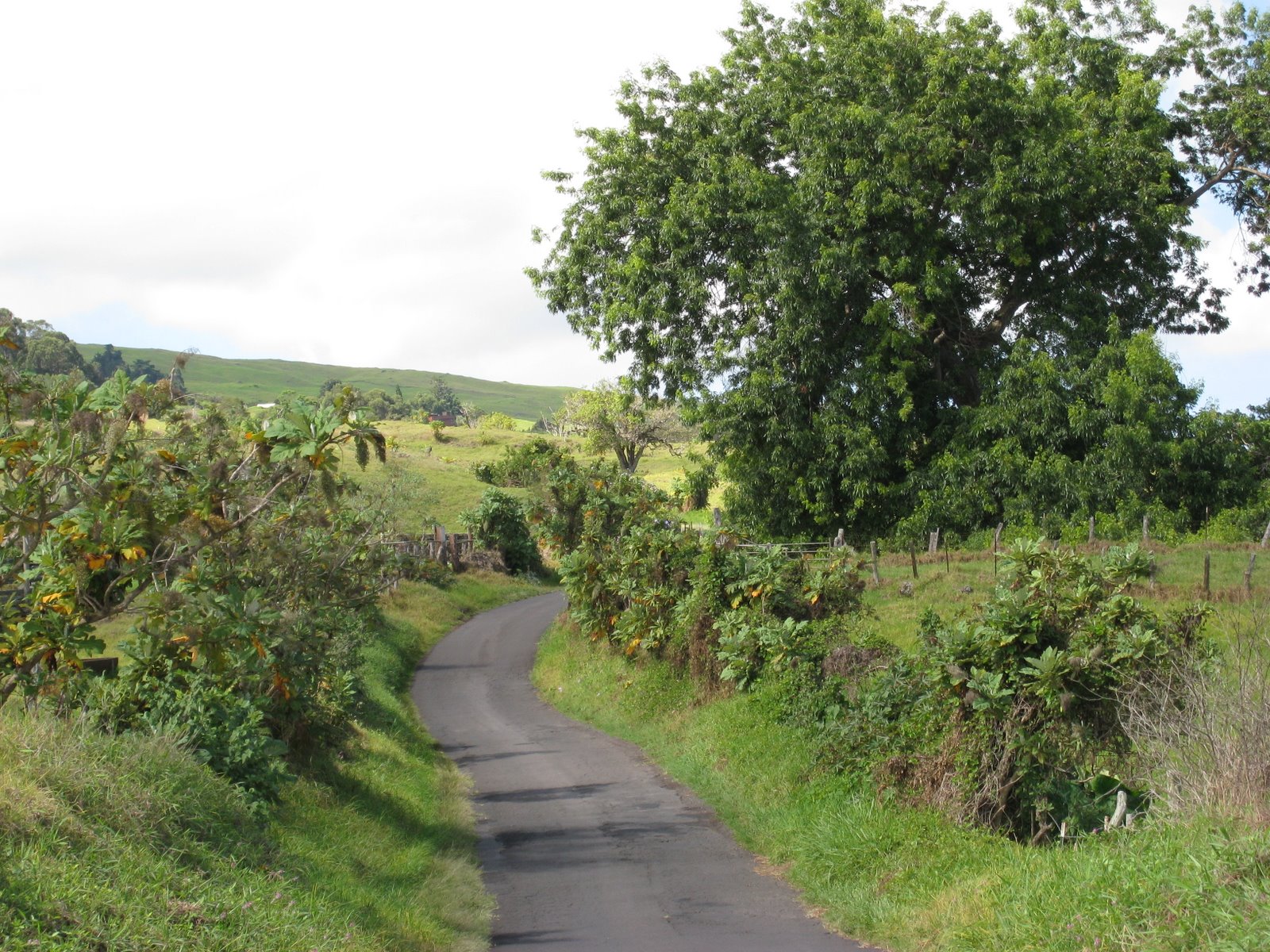
We walk on Thomson Road with the dogs.It is one of those magical spots on Maui--a narrow, winding road on the slopes of Haleakala that leads to Oprah's ranch and a few other houses. Far below us we can see the ocean and the island of Lanai; to our left pasture and ranch land rise up into the clouds, looking like the moors of Scotland.

“Let the happiness begin,” Linda says, looking into my eyes with love. These are the words that came to her in a dream before we even met. In the dream she had a vision of us both facing each other, with sparks of light flying between us. Linda has had profound mystical experiences since she was a child. The first time she attended a spiritual retreat she went into a state of bliss where she could barely feed herself for days. Although she never joined a spiritual group, had a teacher, or did formal practices, she is able to effortlessly slip into that place of unity consciousness where the whole universe can appear in a dewdrop.

Wednesday, September 24, 2008

Doing Nothing


Day 4
As “serious” spiritual retreats go, this is a joke. I think of Tenzin Palmo, an Englishwoman who spent 12 years alone in a remote Himalayan Cave at 13,200 feet. Every night she sat upright in a tiny 2’6” X 2’6” meditation box, having trained herself to do without sleep (sleeping is for wimps). I have my nice king-size bed with Linda at my side and two dogs at my feet. Is this any “less” spiritual?

Linda and I go into a deep place of joy every morning as we listen to Peter Fenner’s CD course on Radiant Mind. Where it hits home is when he speaks about our habitual need to be doing something.

Can I really give myself permission to do nothing? What an outrageous idea! My whole life has been defined by how much I achieve and how busy and active I am—sitting at the computer, writing the book, doing errands, getting exercise, seeing friends. Deep down I have this fear that if I was to stop I'd become one of those old geysers in a nursing home, with drool running down the side of my mouth! When I was at the dentist the other day, getting two new crowns, the drool did start running down the side of my mouth. And it wasn’t so bad.

Peter Fenner offers a beautiful practice called “Just Sitting.” It involves little more than sitting still for twenty minutes a day, either on a chair or lying down, observing whatever comes up—thoughts, sensations, feelings. No need to change anything. No need to do anything. By just sitting, with no need to effort or force anything, we naturally open to unconditional awareness. Everything we could ever need is present right here, right now. There is nowhere to go. This is it.

I start to slow down—even though I’m still making calls about selling the Roadtrek and responding to a few e-mails. Linda and I talk, but remain mostly in conversational silence. Our dogs Luke and Kamalani love it when we’re quiet. The four of us open up a whole other level of communication—a simple level of “beingness.” Since I started the retreat three weeks ago, our puppy Kamalani has dramatically calmed down, no doubt reflecting my inner state of being.

Colors are heightened. Sounds are intensified. I see trees and sky and things around me that I have been oblivious to. I even start to walk differently, my shoulders relaxed and arms hanging loosely by my sides, instead of being all tensed up and leaning forward, as if I’m in a desperate hurry to get somewhere (which I usually am). I feel like Yogi Amrit Desai (my former guru), who looked like liquid velvet when he walked. At least that’s one thing he did right.

I become aware of when my mind is racing. I begin to access quiet mind.

David and Tom, my newfound counselors and “life coaches,” support me on the journey. “Be gentle with yourself,” Tom says. I explore the role that comforts play in my life (sex,wine, and chocolate). For years these have been my “friends,” and have served a purpose. Now it’s time for a change. Instead of relying on these comforts to "fill me up," I am filled by the richness of silence. Still, a little spoonful of ice cream every night couldn’t be that harmful!

As Richard Dreyfus used to say, (playing the psychiatrist in What About Bob) used to say, “Baby steps. Take small baby steps.”

I see my urologist (who has a “God bless America” sign on his office door) and find out that the cancer is still active in my body (though my PSA has stayed relatively stable since the radiation). I’m happy as a clam to find out that I don't have to do any further treatment for at least six months.

Linda and I fall in love again. We go for walks on Thomson Road with the dogs (where Oprah has her ranch). We sit in silence together. As soon as I start to slow down, Linda begins to undergo a major shift around her health. After 12 years of pain and suffering she is opening to a new way of being. We begin to see that she doesn’t have to be down for me to be up, and vice-versa.

Monday, September 22, 2008

Hedonist's Retreat


Retreat is for those who desire to deeply realize the truth of their being and the essence of existence. Retreat offers time to step back from the course of daily life and enter into the Unknown. Adyashanti

Day 1

Today is the first day of a month-long retreat—Peter style, with wine, good food, talking when needed, reading what I want to, and The Daily Show. “You call this a retreat?” you may ask. Yes, because it's about doing nothing; it's about stepping out from the thinking mind; it's about stopping long enough to be quiet. I spend most of my time in silence, but talk when practicalities need taking care of. Linda and I talk from time to time—but for the most part we are just as happy in silence. What I enjoy most is giving her a warm hug in the morning and looking directly in her eyes, all without words. What a difference from, “How did you sleep last night, honey?” as I glance up from the newspaper.

This is no Vipassana retreat—no getting up at 4:00 AM, meditating until your knees and whole body aches, eating watery soup and tea, not even looking at other people. Leave that for seekers who believe that deprivation and hard work is the way to enlightenment. Who said that we had to torture ourselves to find God? Yes, we need to drop old beliefs and move beyond attachment and aversion, but who says we have to flagellate ourselves in the process? Even the Buddha got that one.

The big difference is that I’m not doing this retreat in order to get anywhere. There is nowhere to go, no place to get to. I know that I’m already here/there. I know that all it takes is slowing down enough to see what has always been there—spacious presence. Personally, I can drop in to that awakened awareness a lot more easily if I’m not in pain and major discomfort.

My morning “practice” on the first day of retreat is draining the pond, a physically demanding job, using the sump pump, squeegees, and a bucket to get all the sludge out. At 10:00 I take a break so that Linda and I can listen to Peter Fenner’s CD course on Radiant Mind. In no time we are both blissfully resting in unconditioned awareness. It’s not that difficult, not that dramatic. It’s right here, right now.

Peter Fenner, a spiritual teacher from Australia, has a beautiful approach to awakening, using the mind to transcend the mind. He begins by exploring the obstacles to awakening, naming five main ways we keep ourselves from bliss:

1. Through our attachment to suffering.
2. Through our habitual need to be doing something.
3. Through our need to know.
4. Through our need to create meaning.
5. Through our projections about what unconditional awareness is or isn’t.

Remove the obstacles and what has been there all along is finally revealed.

“What are the main areas in life where you suffer?” Peter asks on the CD.
I start jotting down the first thoughts that come to mind: expectations about being successful, being recognized being accepted. What suffering I create for myself through wanting any of them, because, no matter how successful I am, how recognized I am, or how accepted I am, it will never be enough.

“Why do you think that it’s happening?” he asks.

Because I don’t accept myself as I am, because I’m terrified that I will fall into a dark, black hole if I stop struggling and achieving.

He then asks, “How do you feel about your suffering right now?”

Fine, I realize. There’s nothing wrong with the suffering being there. Who said that identification with form didn’t bring suffering along with it?

Then it’s time for lunch and a nap. No need to answer the phone, no need to respond to e-mails. What a delight. Although I love my friends, it’s refreshing not to have to talk to them—especially since most of what we talk about is the same stuff we’ve talked about for thirty years. (Only later do I realize that it's me who is keeping things from going deeper).

The minute my poor, wretched, exhausted mind starts to unwind and slow down, a sense of spaciousness begins to open up. It feels like my brain has been in a death spin for the past few months, constantly going over scenarios, trying to figure out what to do with the book, worrying about this and that.

Now it’s time for “no thinking.”

Monday, July 14, 2008

One Breath at a Time


Anything unmet or unseen will be like a little button with a 'push-me’ sticker on in—and it attracts fingers.
Adyashanti

It’s all very easy to talk about spirituality in the comfort of our living room or at a retreat where everyone is in bliss and enjoying three meals a day. But life usually isn’t so benign.

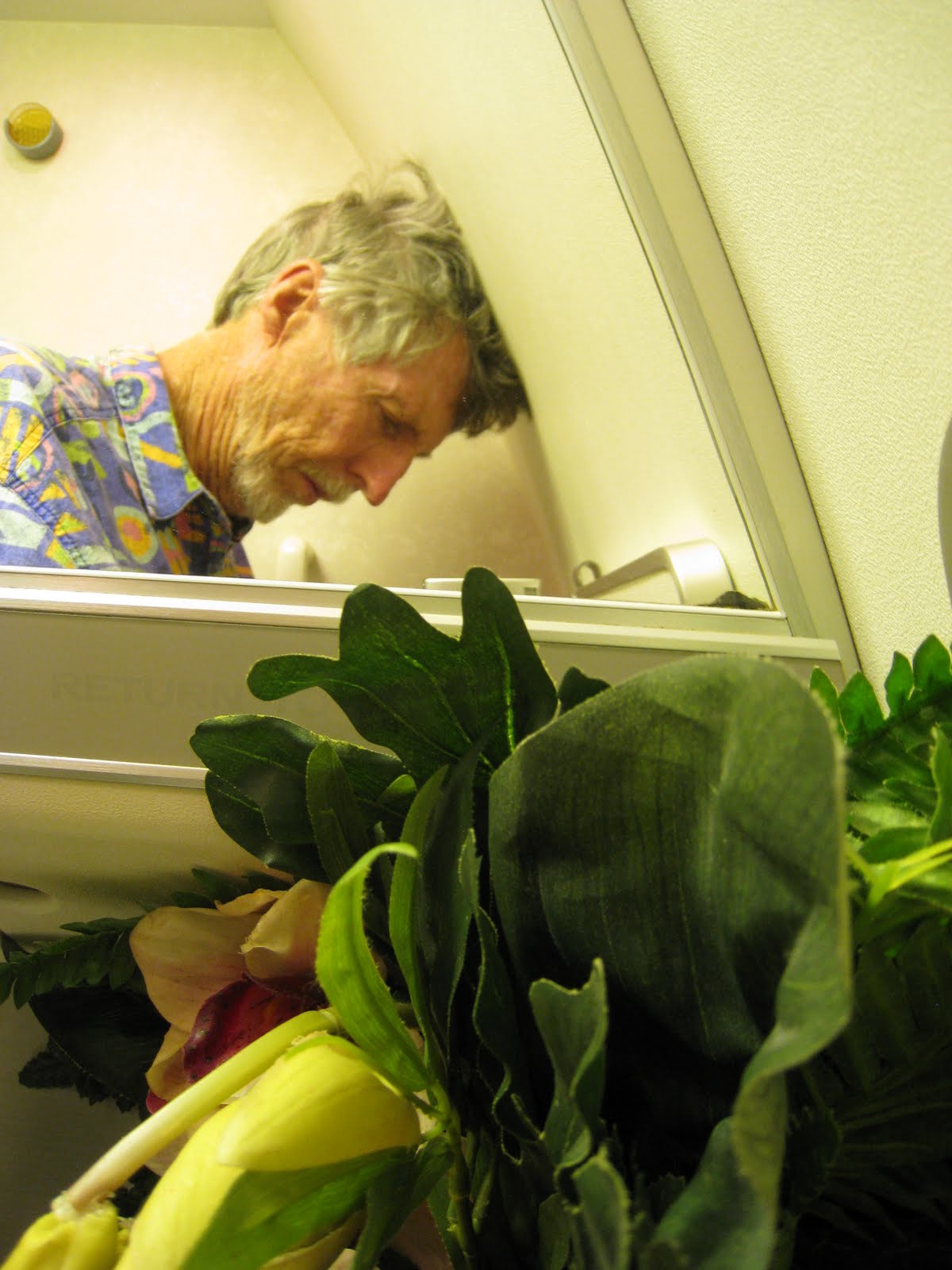
This thought comes to me as I lean my head against the curve of the fuselage, while peeing 37,000’ above the ocean. Whether you're traveling first class or coach, airplane lavatories are all the same - the same chemical smell, the same horrible sucking sound when you flush, the same tiny sink that you can barely get your hands in, and the not-so-nice signs of previous occupants.

Suddenly the floor bounces underneath me. “Ladies and gentlemen, we are experiencing some turbulence. Please return to your seats . . .” I zip up and wash my hands, still feeling like I need to pee. The face in the mirror looks bleary and red-eyed. I open the flimsy bi-fold doors and make my way back down the narrow aisle like a sailor in a rough sea.

As I fasten my seatbelt, my whole body resists being crammed into the narrow, hard seat. My tailbone hurts, my eyes burn, my belly is distended, my feet are swollen, my mind is in a fog — so much for the romantic image of flying “the friendly skies.”

I don't know how the Dalai Lama does it - traveling around the globe, dictating a new book, conferring with staff, writing correspondence, meditating for hours on end, preparing to meet with heads of state.

Not by having two glasses of wine as I just did.

It’s been a rough trip. I'm on the last leg back to Hawaii from a trip to the East coast, where I went from healthy to being sick in 24 hours.

Life has a way of throwing things at us when we least expect it. And wow, did I get caught. I watched it happen, like sinking deeper and deeper into quicksand. The more I struggled to get free, the deeper I sank. All the prayers, all the affirmations, all the self-awareness could not get me out.

At first I tried to relax and watch the thoughts come and go without resisting them. I stayed with the discomfort, then stayed with it some more.

Breath in, breath out. Breath in, breath out.

I told myself, "These thoughts are not real; these feelings are not real. Who is it that is having the thoughts?" For a few moments that helps.

All I can do is take one breath at a time. Breath comes, breath goes; joy comes, joy goes; suffering comes, suffering goes. What is it that doesn’t come and go?

None of this makes my sore behind, burning eyes, or bloated belly any better, but it does give me some peace of mind.

One breath at a time. Whenever I start to latch on to a thought . . . breath in, breath out. On and on and on. One breath at a time.

The moment I'm willing to accept all of it - pain or pleasure - a voice comes over the intercom, “Ladies and gentlemen, we will be landing in Maui in approximately twenty minutes . . .”

Wednesday, March 5, 2008

Radiant Joy


Your head is already in the tiger’s mouth. There is no escape.
Ramana Maharshi
A few months ago I found out that I had advanced prostate cancer. That’s the name they give to cancer that comes back after a radical prostatectomy. At first I thought I would die in a year and go out in a blaze off glory. I was almost disappointed when I found out that the prognosis is around ten or so years. The treatment options were confusing and a little scary, with possible side effects ranging from impotence, to incontinence, and serious bowel problems. I opted for radiation, which means receiving forty treatments over a period of two months.
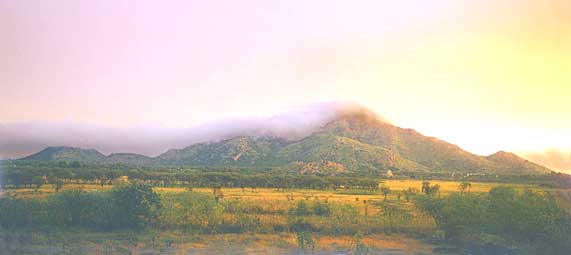
Every day, except weekends and holidays, I climb into the car to make the forty-minute drive to the hospital in Kahului, Maui; I bring the dogs along for company, a book on tape for entertainment, and enough water so that I can fill up my bladder before each treatment. I drive past some of the most beautiful sights in the world—the famous windsurfing beach called Hookipa, the West Maui mountains in the distance, and the massive 10,000 foot Haleakala mountain—House of the Sun—on my left. It’s not exactly a chore. I park my car in the specially assigned spaces for cancer patients (the best perk of all) and walk across the road to the Pacific Cancer Clinic.

“Peter, how are you?” Jeannie asks from behind the front desk. Energetic, petite, and always cheerful, she greets each cancer patient personally as they come in for chemotherapy or radiation. She is one of those extraordinary angels that lights everyone up with her warmth and caring.
“I’m great Jeannie. How’s your son doing?”
“He’s good,” she says cheerily. Her son Brock was severely injured in a motorcycle accident two months ago and lost his left foot.
“You’re amazing Jeannie. I don’t know how you do it.” She not only takes care of everyone who comes to the Cancer Clinic, but her son, her daughter, and husband.
Nerissa appears at the double doors with her wonderful smile and signals that it’s time for my treatment.
“Got to go.”
“Bye . . .”
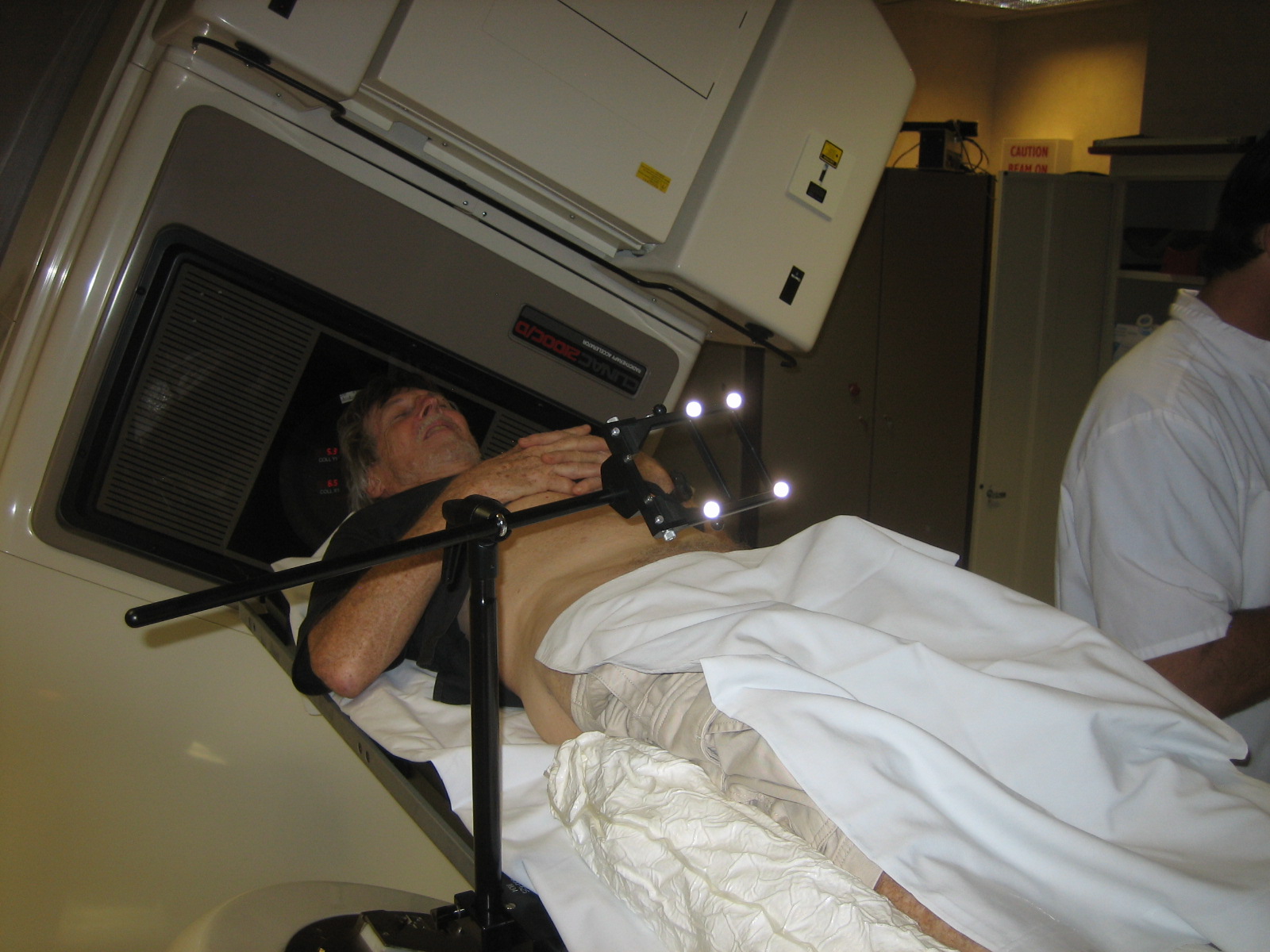
On the way to the x-ray room, I wave to Janice at her desk, then say hello to Tim and Steve, the two radiology technicians—those unsung heroes who spend all day treating folks with every form of cancer imaginable—brain cancer, stomach cancer, prostate cancer, breast cancer—some of them so sick they can’t even walk. Yet somehow they remain cheery and upbeat. They lead me into a room with an enormous machine that looks like something out of Star Wars. The body cast for my legs is already waiting for me on the narrow metal platform. I take off my shoes, and feeling like a fighter pilot fitting into his flight suit, I put my legs into the cast and lie back down. The cast ensures that my legs are in the same position for each treatment.
Whether out of laziness or because it’s sunny and warm most days in Hawaii, I normally wear a T-shirt and shorts—and nothing else. I slip down my shorts so they can see the tattoos on my hips and pubic area.
“Hope you don’t mind,” I say, “I’m going commando again.”
“Don’t worry, we’ve seen it all,” Tim says.
“You’re just an old hippie,” Steve laughs.
Meanwhile Tim moves the table into position with a remote so that I am in the exact spot for the radiation beams to reach my prostate bed. Even a millimeter off and the radiation will hit other parts of my body.
“Did you get up to Baldwin beach on the weekend?” I ask Steve, as he moves my body slightly on the table so that my tattoos line up with the infrared beams coming from either side of the room.
“Oh yeah, what a scene— families, boogie-boarders, tourists, guys drinking in the back of their pick-ups, another selling grass to the tourists—I had a ball.”
“Not to mention the babes,” I laugh.

“Here comes the goop,” Steve says, as he slides the sonogram reader over my lower abdomen. It feels cool and not unpleasant. Then he presses down on my bladder to get a reading. The pressure is intense. “Sorry about that.”
“No problem. Have you ever had one burst?”
“Not that I know of,” he laughs.
He and Tim watch on the TV monitor as the different overlays from the sonogram and the IGRT match up.
“Nice full bladder,” Tim says. “It looks like a Beefeater’s hat.”
“To me it feels like a big water balloon.”
“Almost there . . .” They make their final adjustments. “OK, you’re set.”
“Fire away!” I say, as they leave the room, electronically closing the foot-thick door behind them. The stereo in the corner plays Hawaiian music from the local radio station. A camera on the ceiling monitors me lying on the table. I lie with my eyes closed, alone in the room, as modern science does whatever it’s meant to do.
Soon there is a whirring sound as the machine starts to circle around my body on the table. Tim and Steve operate the machine remotely from another room. After rotating 45-degrees the machine stops and its bulbous head makes a clicking noise like a camera. Then there is a loud sustained beeeeeep that seems to go on forever as it shoots invisible rays down into the core of my body. Warning lights flash over the door: “CAUTION – BEAM IN USE.” The beep lasts for twenty seconds, and then the machine whirs to a different angle. More clicking, more beeps, as the machine moves around me, stopping at seven different angles to shoot 70 centigray of radiation into my body.
I know that some of these rays are damaging my bowel and my bladder, and that they may leave me impotent, but what could I possibly worry about? I lie on the table in total joy, a half smile on my face, distantly hearing all the noises going on around me—music drifting out of the radio, the machine whirring, the machine clicking, the hum of ventilation fans. I am the still center in the midst of all this activity. I could be worrying about what might happen in the future—will the cancer metastasize, will I die in pain and suffering?—but right now I feel fine, apart from a full bladder. All worry is nothing more than a projection of what may or may not happen in the future. In truth, there is no other moment other than lying here on this table right here, right now. Cancer, or no cancer. What do I care? This body will someday fall away. Whenever it does, I get to go home. The tiger has my head in its mouth, and I’m totally surrendered to whatever happens. There is no escape.